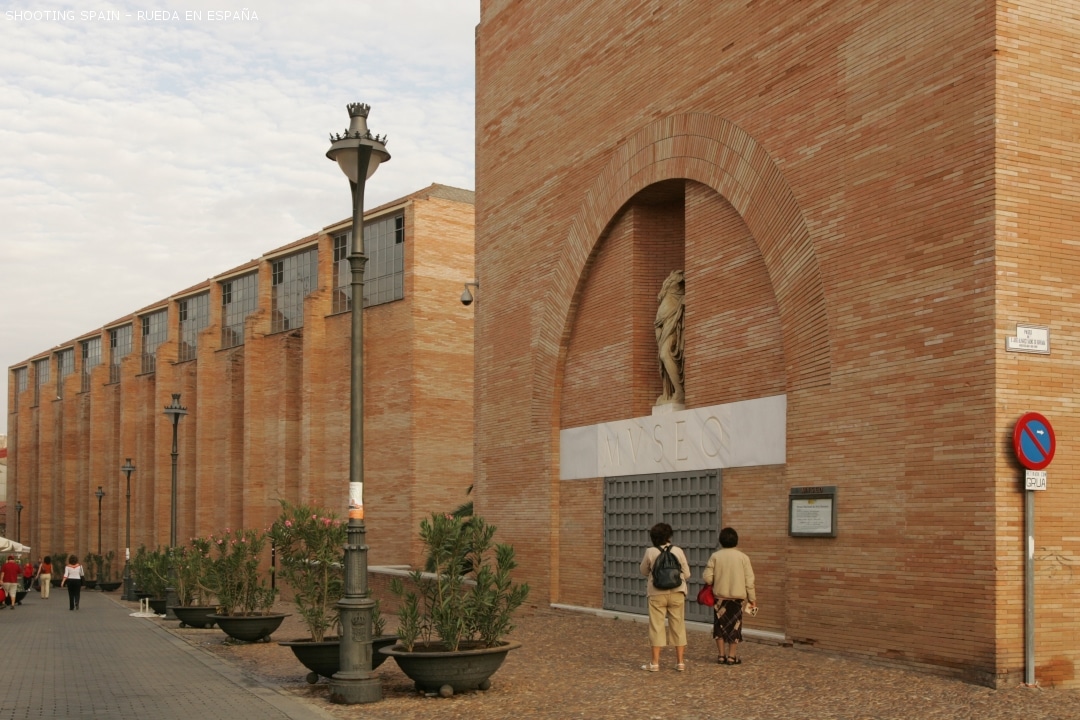
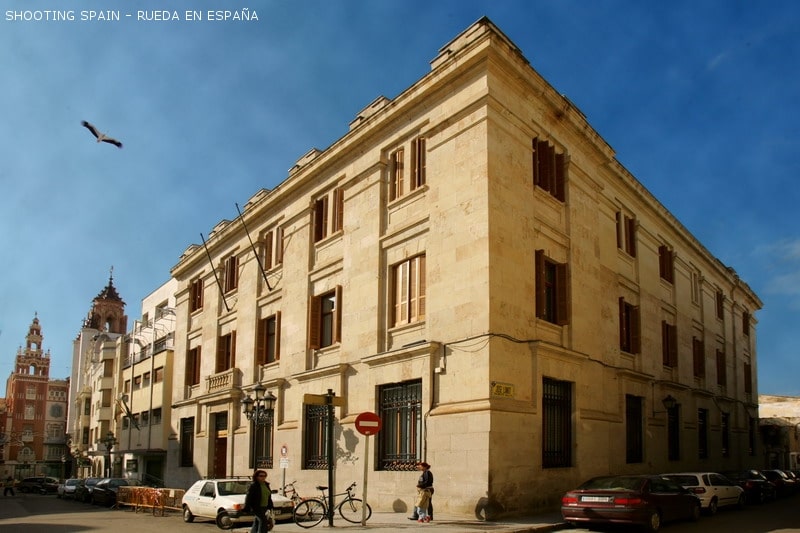
You can start your tour of the old town from the restored Plaza Alta. The northern part, medieval style, in contrast with the southern part due an unfinished reform. It is similar to the square of other cities in Spain as Madrid and Salamanca style. Here you can also admire the Mudéjares Houses, Casas Coloradas or the Alcazaba. Nearby you can find the Plaza de San José, which houses the convent of the Adorers, and from here we’ll recommend you get to the Alcazaba. This building, dating from the twelfth century, is one of the largest of its kind in the Peninsula and took in all the Badajoz population. From its ramparts enjoy incredible views starting in the waters of the Guadiana, you include the Cathedral, the Ermita de la Soledad, patron of the city, or the Giralda and reach Portuguese lands. If you reserve this visit to sunset, enjoy an unforgettable landscape. A short walk will come to the square of Solitude, perfect to be able to see the Giralda, or the modernist building of the Three Bells. Nearby is the Plaza of Spain, the heart of the city, as it houses the Cathedral of Badajoz, also known as the Cathedral of San Juan Bautista. Begun in the mid-thirteenth century, its most important architectural feature, the bell tower is one of the most special and intimate details of the city skyline. Is very close to the Plaza de Cervantes, although its central statue represents the illustrious Zurbarán and is best known in the city as Plaza de San Andres hence is popularly known as the Plaza de las Tres Mentiras. Small and paved the Portuguese style, is surrounded by stately homes as the House of Puebla Hotel Cervantes or House. And from square to square swing by the St. Aten and Minayo that will lead to the Paseo de San Francisco. Remodeled in the nineteenth century, still retains its temple, its palm trees and some lived fernandino style streetlights.