- This service, which will be supported by TBS, will enable any destination to leverage its connection to the audiovisual industry to attract sustainable and environmentally responsible tourism, applying the methodology developed by the organisation in the Experiences Programme
- Burgos Film Commission, Embratur-Brazil, Madhya Pradesh Tourism Board, Paradise a la Carte and Vigo Film Office were the other protagonists of Thursday’s events
Madrid, 22 January 2026 – Spain Film Commission continues its programme at the eighth edition of FITUR Screen, organised in conjunction with IFEMA, which is taking place until Friday 23 January in Hall 10A15 at IFEMA Madrid.
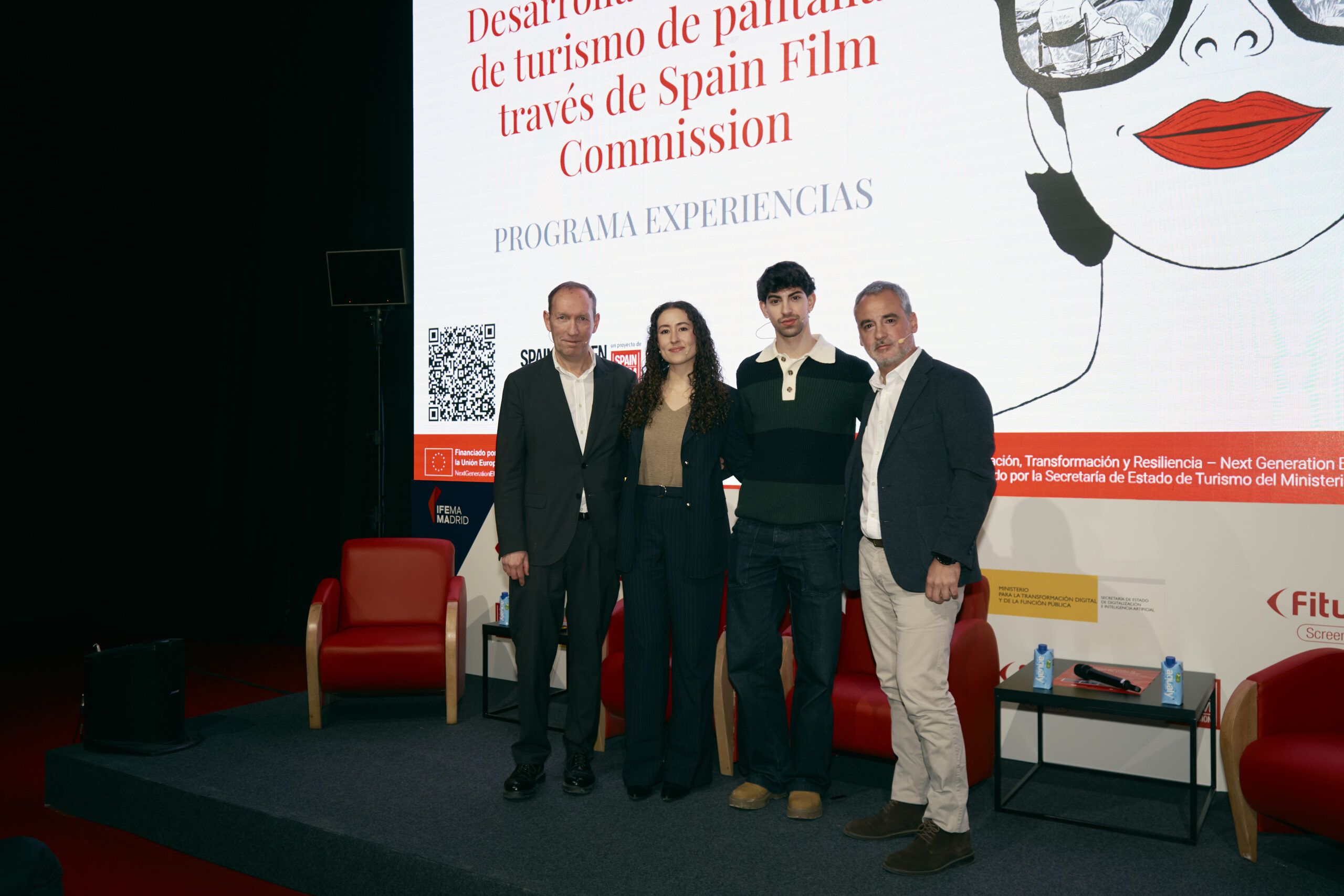
Thursday began with the launch, by the Spain Film Commission and with the collaboration of TBS (Tech Brands Stories), of a consulting service to develop sustainable screen tourism experiences, following the methodology of the Experiences Program. consulting service to develop sustainable screen tourism experiences following the methodology of the Experiences Program, the project presented last year and framed within the Spain Screen Grand Tour, made possible thanks to funding from the Ministry of Industry and Tourism – Secretary of State for Tourism (SETUR), with Next Generation funds.
This service will offer any territory the possibility of creating its own tourist experiences based on productions that have been filmed in their regions. In this way, Spain Film Commission will assist destinations from the outset with the idea, script and creative development of the experience (with services such as analysis and diagnosis of the territory, identification of attractive locations for filming and the design of tourist experiences), through to production (development of the prototype of the experiences, testing and validation, marketing and communication plan) and the activation and marketing of the experiences. In addition, Spain Film Commission will endorse these experiences that implement the methodology developed by the Experiences Programme with an official seal, a synonym for quality and a guarantee of the sustainability of the experience. With this new service, the Spain Film Commission reinforces its commitment to innovation in the tourism and audiovisual sector, positioning Spain at the forefront of screen tourism.
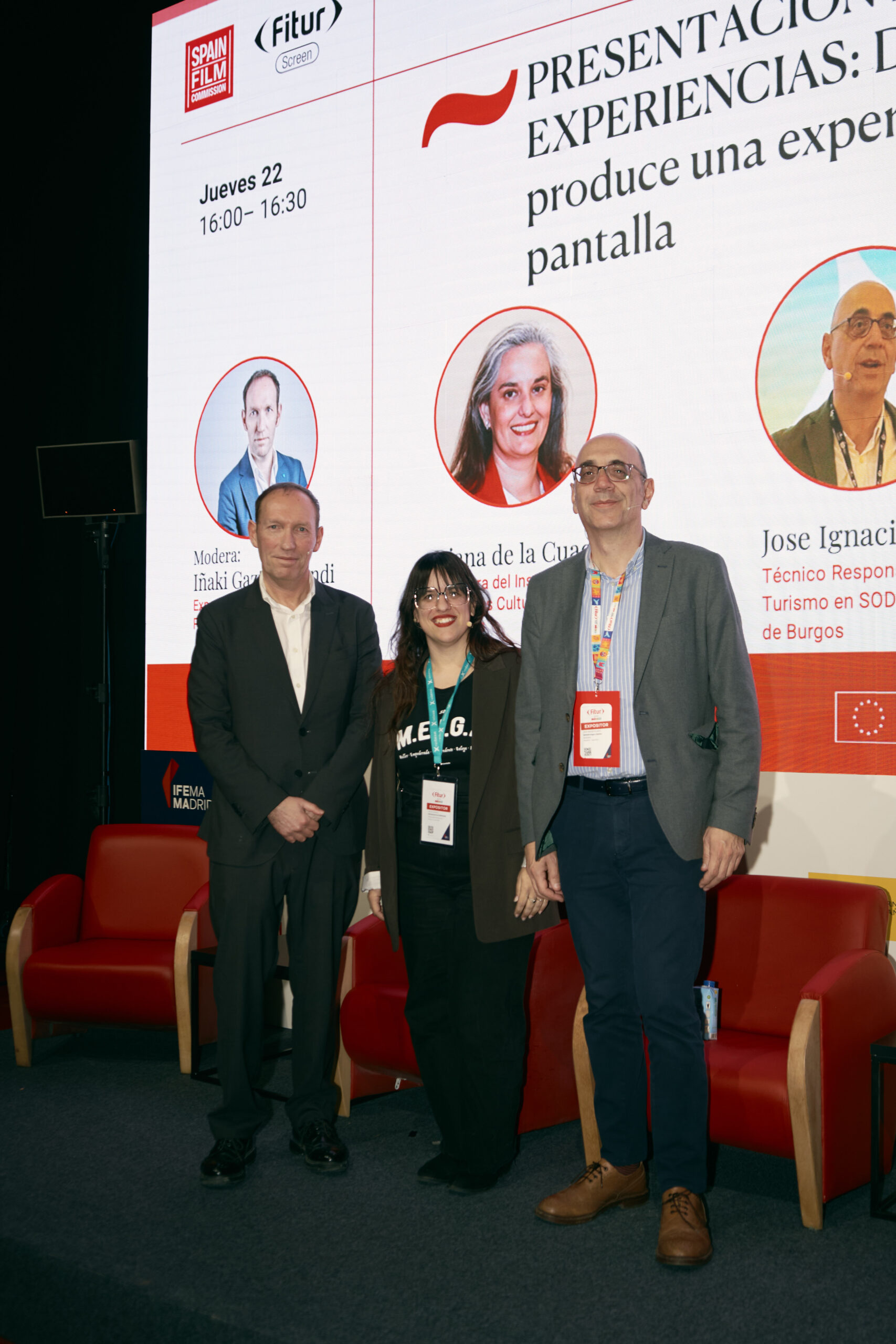
The Experiences Program was also a protagonist in the space. Behind the scenes, this is how a screen tourism experience is produced.The event was attended by Ana Muñoz, Director General of Tourism Policies of the Secretary of State for Tourism. “We are very proud of the Experiences Program. Screen tourism gives us international projection and makes our industry grow in new ways”, she stated. Also participating in this session were Diana de la Cuadra, director of the Institute of Cultural Industries of the Balearic Islands, Jose Ignacio Velasco, technician in charge of Image and Tourism at SODEBUR of the Burgos Provincial Council and Jessica Castiñeira, head of the Rías Baixas Film Commission.
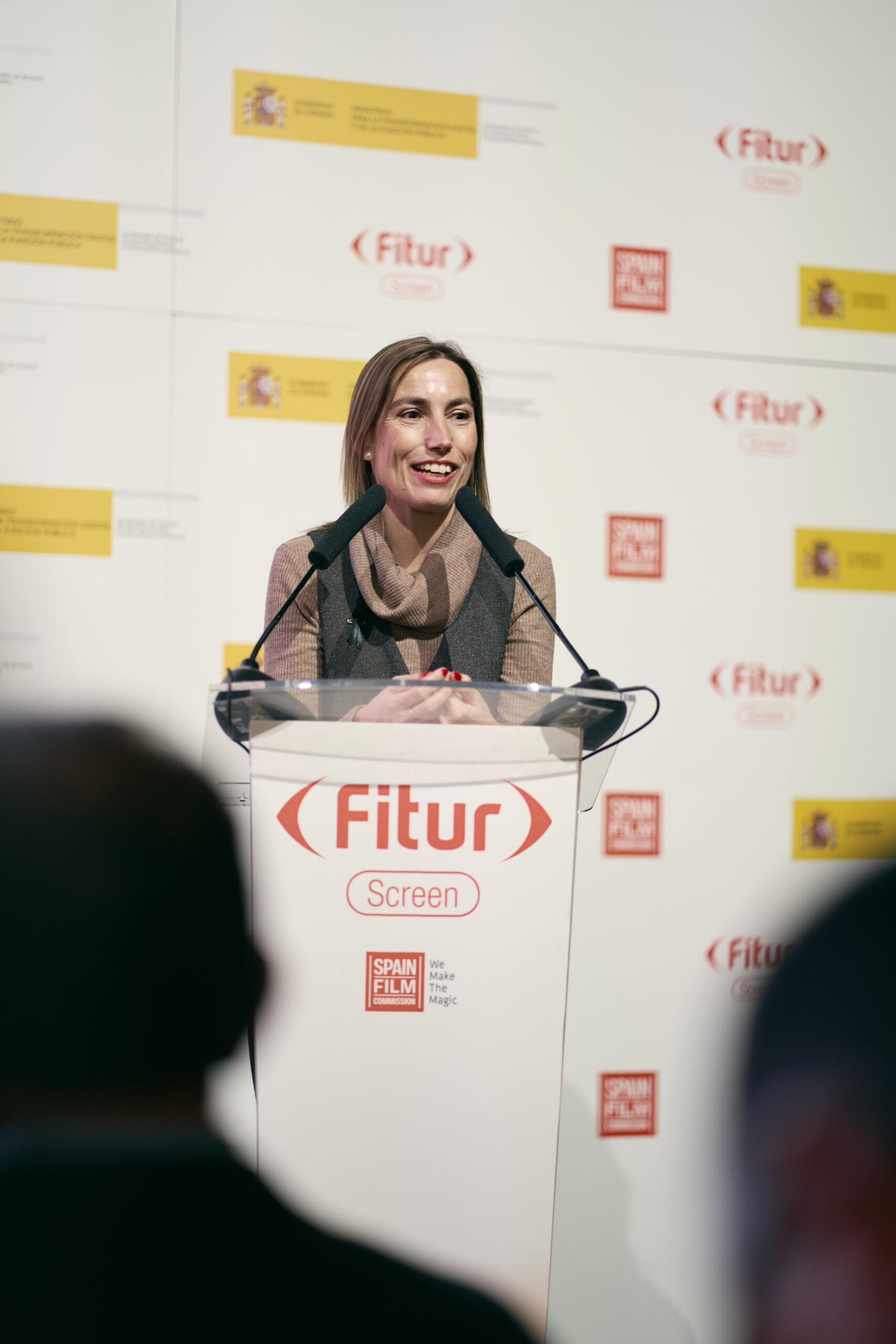
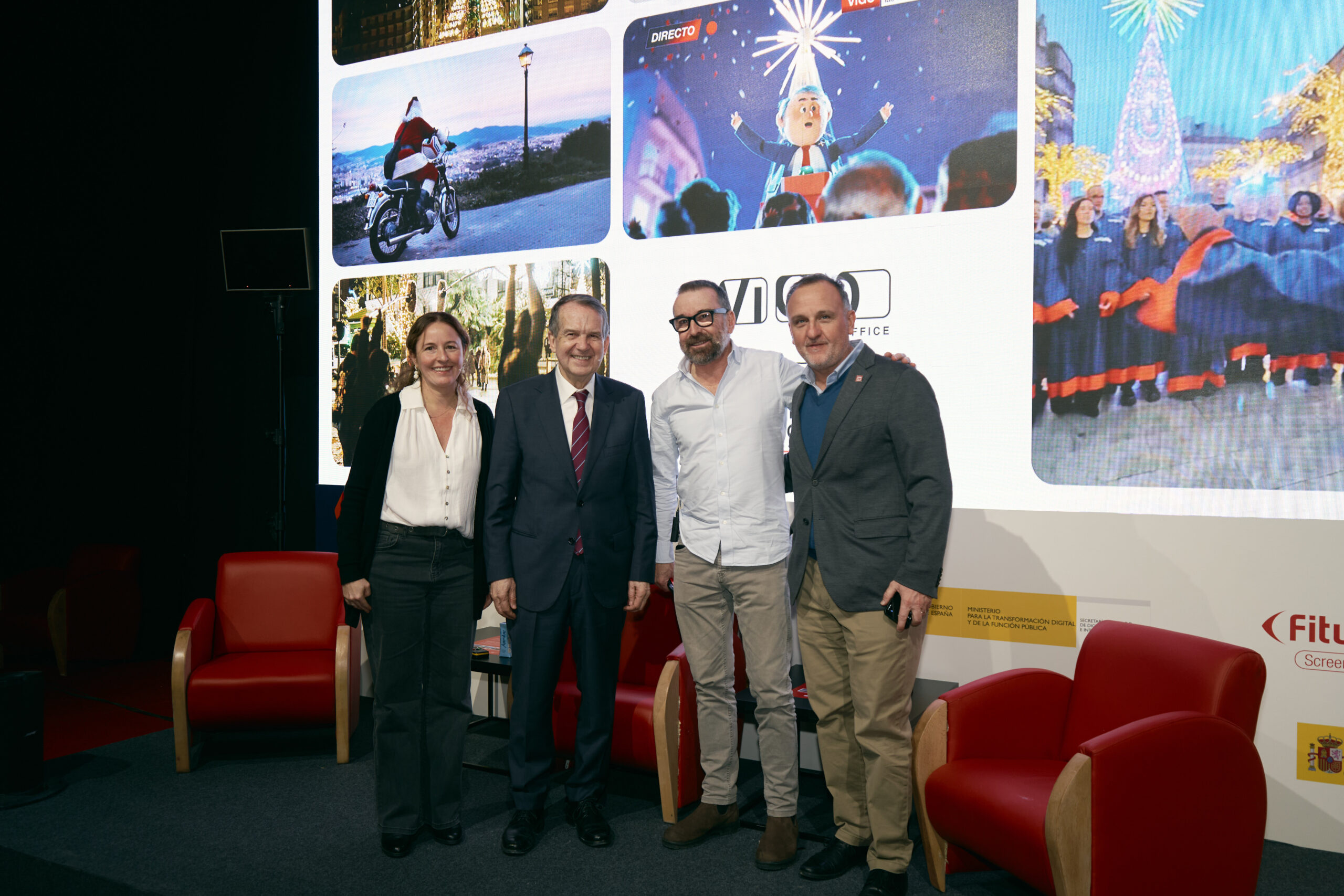
FITUR Screen also featured a presentation by Vigo Film Office on this day, led by Abel Caballero, mayor of Vigo, who highlighted how the city has improved its image in the last 20 years, merging reality and imagination. “In Vigo, any filming in the world can find a friendly city willing to host their productions. We want to be at the forefront of mobilizing worldwide audiovisual filming,” said Caballero. The head of Vigo Film Office, Amaia Mauleón, added that the city has managed to create such a powerful imaginary, especially with its famous Christmas, that it attracts both tourists and productions.
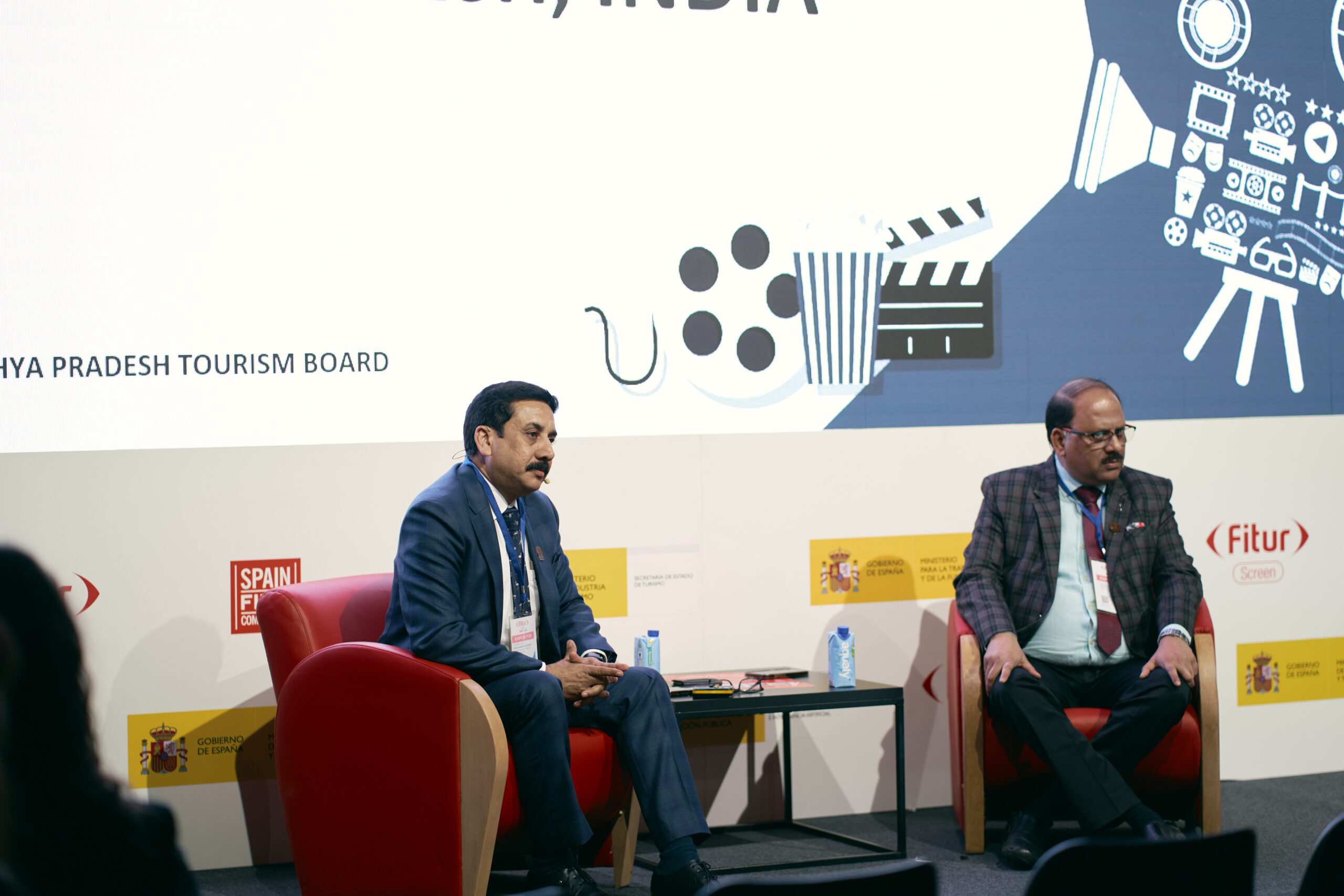
The international twist came from Madhya Pradesh, India, which presented its offer as the most film-friendly state of the country. Abhay Arvind Bedekar and Ram Kumar Tiwari of Madhya Pradesh Tourism Board highlighted the advantages of filming in this region, such as its natural diversity, robust government support and cost-effective filming infrastructure. With three UNESCO World Heritage Sites and a central location, Madhya Pradesh is positioned as a competitive destination for international productions.
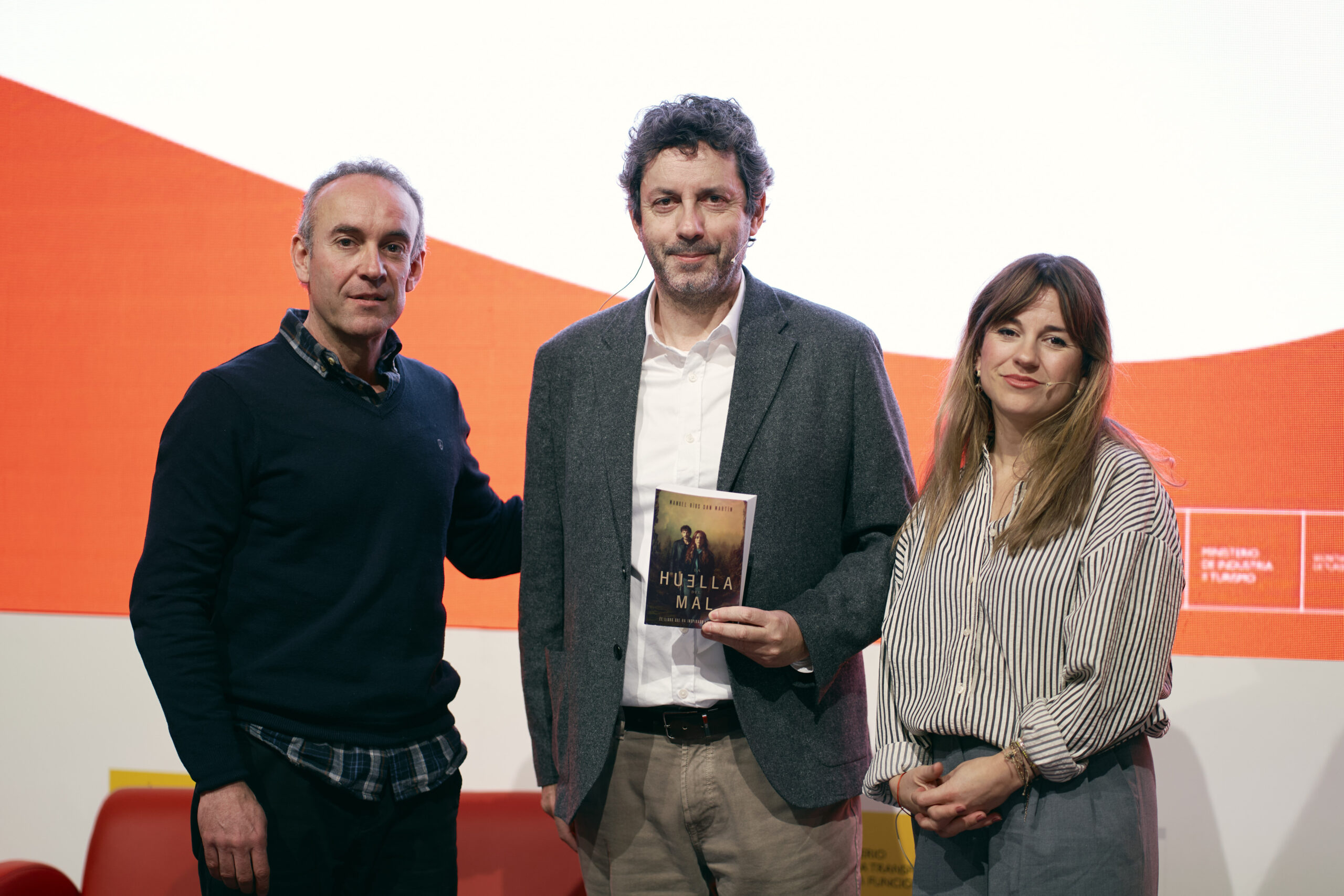
The day continued with the presentation of Burgos Film Commissionwhere Manuel Ríos San Martín, author of The Footprint of EvilHe recounted the experience of filming at the historic and fascinating Atapuerca site. “Filming in Atapuerca was exciting. The team was immersed in the fascination of the place and that was reflected in the growth of tourism: 25% in the first month and 10% more during the rest of the year,” said Ríos. Javier Sánchez, architect of the Carlo Simi Covarrubias Museum, also highlighted how the town of Covarrubias, with its medieval heritage, has become a tourist attraction thanks to its connection with the movie “The Good, the Bad and the Ugly”.
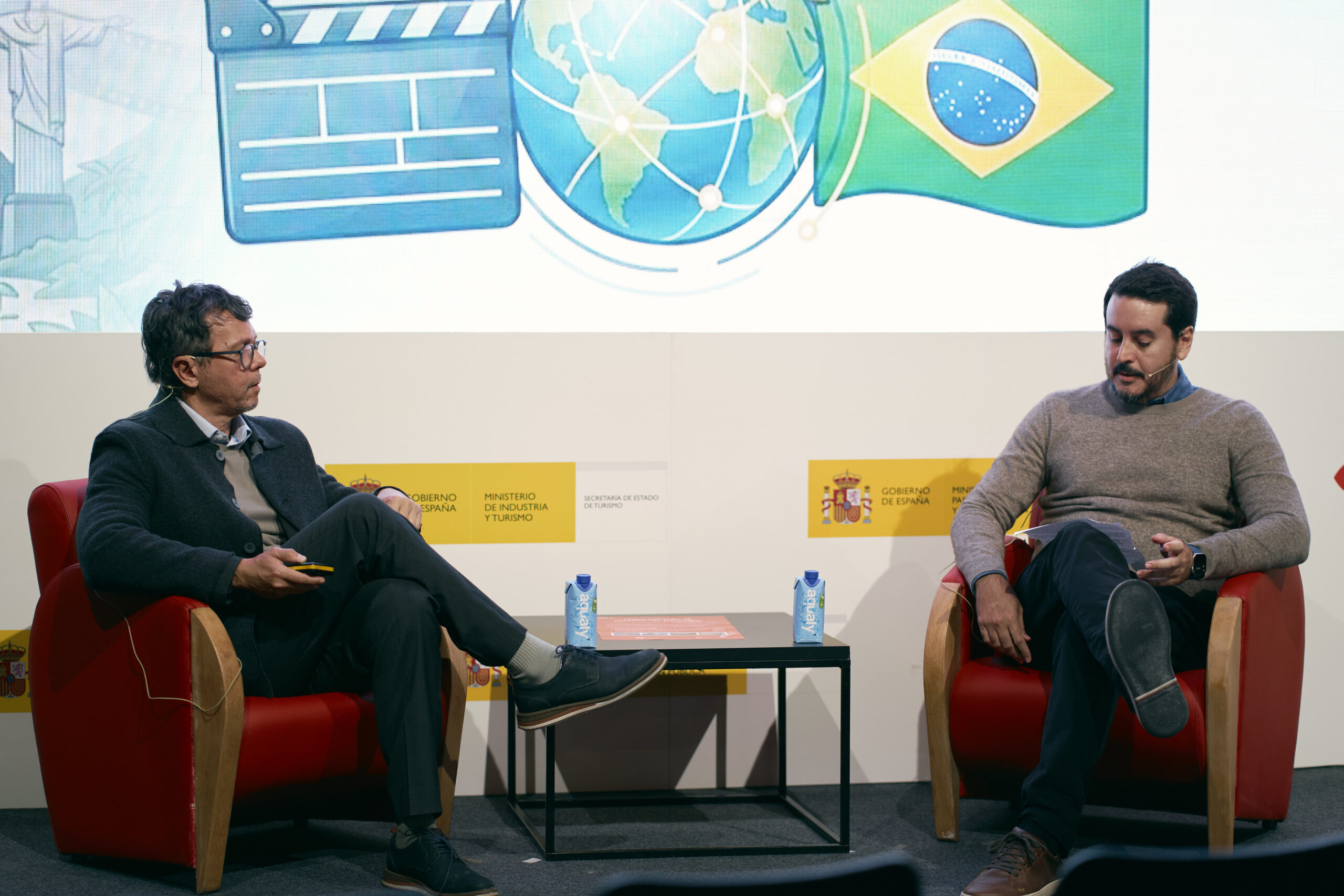
The presentation of Embratur Brazil, focused on creative economy initiatives, brought with it a message of openness and international collaboration. Roberto Gevaerd and Christiano Braga highlighted Brazil’s intention to attract international film shoots and to support creators through the future creation of a film commission They also announced an incentive scheme to facilitate ties between tourism and film, opening new doors for productions looking to shoot in the country.
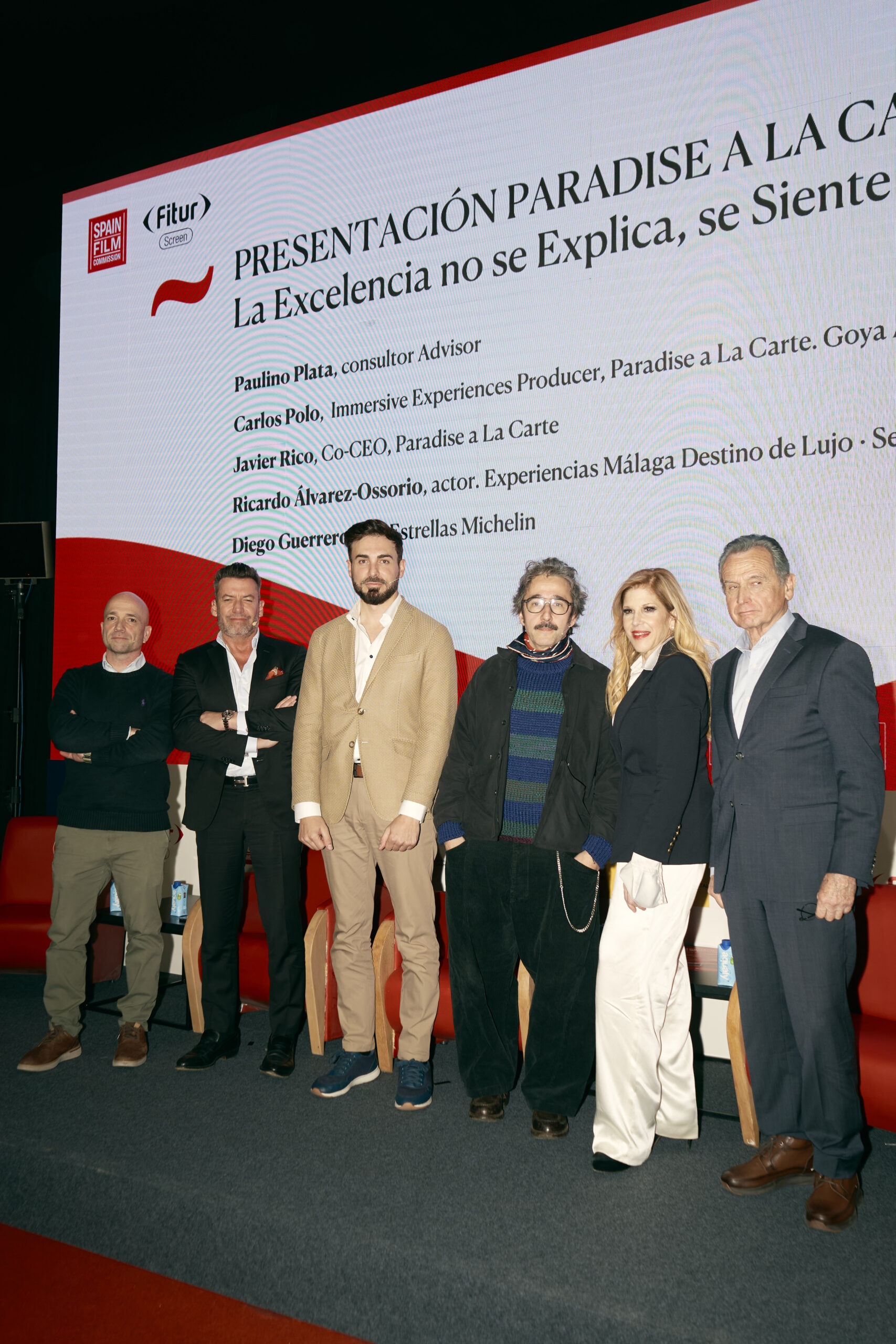
The day ended with Paradise a La Carte, which brought to the stage Paulino Plata, consultant advisor; Carlos Polo, Immersive Experiences Producer; Javier Rico, co-CEO; Ricardo Álvarez-Ossorio, actor; and Diego Guerrero, two-star michelin chef. Paradise a La Carte has innovatively merged the tourism experience with gastronomy and technology, creating a unique proposal that transcends traditional expectations. The collaboration between Spain and the United States is reflected in the creation of immersive experiences that not only explore the destination through exclusive locations, but also transport it to the audiovisual world through technological tools and exclusive customer service. This avant-garde approach seeks to capture the attention of high-end tourists, inviting them to discover the destination in advance and in depth, even before their arrival. In the words of Javier Rico, “the key is to have a regular and experimental client, a consumer who seeks to enjoy the exploration process as much as the final result”.
With outstanding attendance and an atmosphere of international collaboration, FITUR Screen continues to consolidate itself as a key space for reflection and the promotion of screen tourism, opening up a range of possibilities for destinations around the world.